
Pakenham homeowner guide
How to compare fencing quotes in Pakenham
Two fencing quotes can name the same material and boundary length while describing different jobs. One may include removal, difficult access and a gate; the other may assume a clear site and standard ground. Comparing only the total or a price per metre can hide those differences.
This guide helps Pakenham homeowners turn several offers into a like-for-like scope. It does not provide a market price or recommend choosing the cheapest quote. Use the tool to identify the questions to resolve before making a decision, then keep the answers with the written proposal.
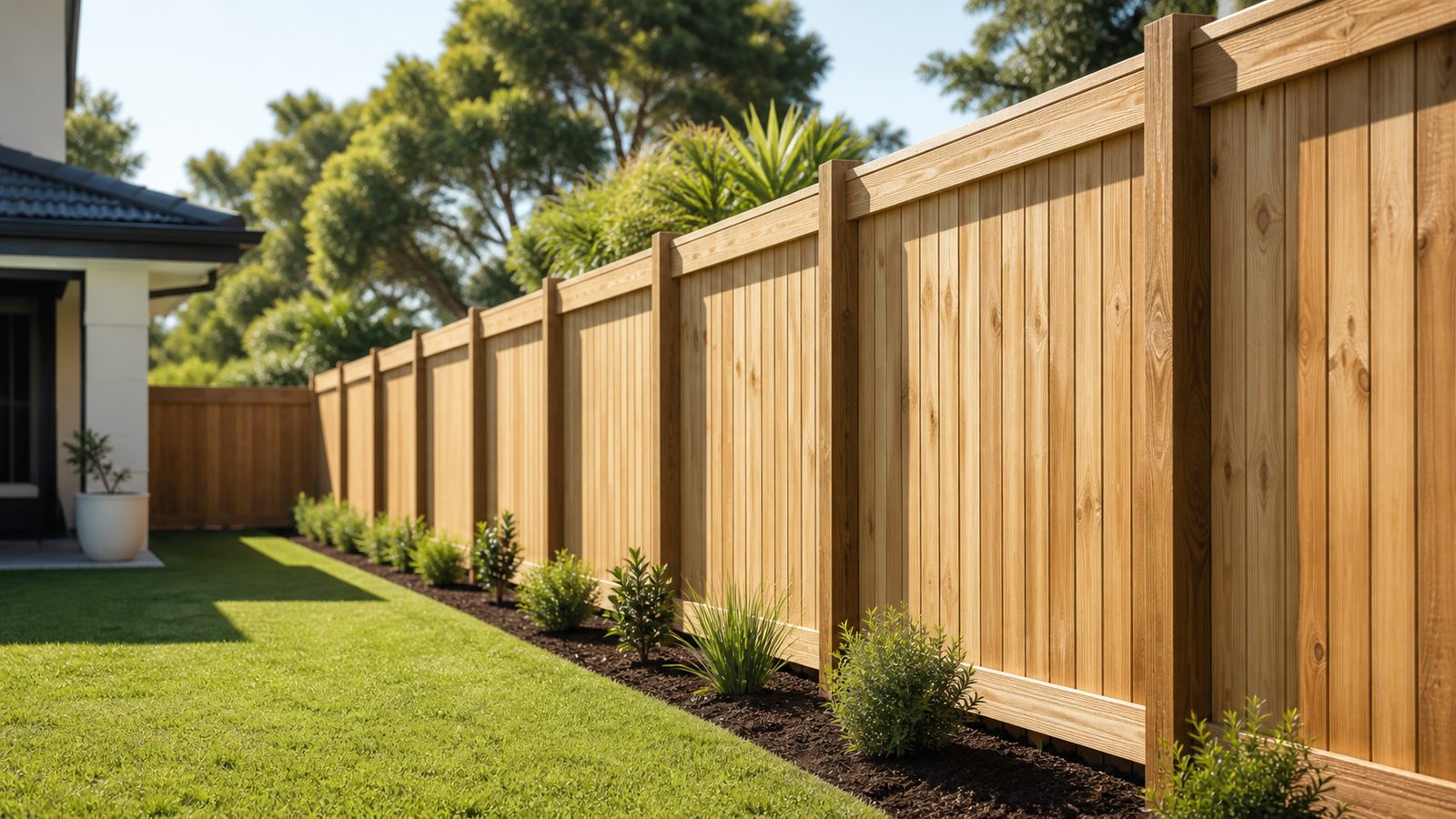
Build your quote clarification list
Choose the situation closest to yours, then tick only the checks you have completed. The result changes as you answer. Download the brief to keep with your photos or share when requesting a quote.
Your choices stay in this page. Downloading does not send an enquiry or book work. This is a planning aid, not a structural design, safety certificate or quote.
Make sure every quote describes the same boundary
Start with a sketch showing the sections you want replaced or built. Label each run and mark gates, corners, changes in ground level and sections that will stay. Ask every contractor to identify which of those runs their quote covers. A rear boundary plus a short return is a different job from the rear boundary alone, even when both conversations began with the same rough total length.
Separate approximate homeowner measurements from dimensions checked on site. Record the proposed height and where that height is measured on sloping ground, without treating a quoted dimension as an approval. Include the finished surface used as the reference. If one contractor has allowed for stepped panels and another has assumed level ground, their totals are not yet comparable. Request clarification of the layout before judging the difference as better value or excessive pricing.
Compare the actual fence specification
A material category is only the beginning. For metal fencing, ask which system, finish and components are included. For timber, ask for the specified timber, arrangement of palings, rails, posts and any capping or lower detail. You do not need to design the structure yourself, but the proposal should contain enough information to identify what will be supplied.
Photographs can communicate appearance while leaving support and connection details invisible. Ask how the proposed construction suits the site and what existing parts, if any, will be reused. Reusing posts is a different scope from replacing them. An offer that names a product clearly is easier to check later than one that says premium materials without further detail. If alternatives are suggested, keep them as separately described options so the base job remains comparable across quotes.
A quote comparison that exposes missing scope
| Item | What to compare | Clarification if absent |
|---|---|---|
| Boundary runs | Same sections and checked dimensions | Which labelled runs are included? |
| Fence construction | Named materials and support arrangement | What exactly will be supplied or reused? |
| Removal | Fence, posts, footings and disposal | What stays in the ground? |
| Gates | Clear opening, hardware and movement | What usable access will remain? |
| Ground and access | Assumptions and variation process | What triggers additional work? |
| Completion | Surface restoration and care information | Who finishes disturbed areas? |
Separate removal, ground work and reinstatement
Confirm whether the old fence, posts and footings are being removed, cut down or left in place. Those choices affect the new post positions and the finish of the ground. Ask what is included in loading, disposal and clearing the work area. A quote may include fence installation while expecting you to arrange demolition or make access available first.
Ground conditions create another set of assumptions. Ask how unexpected obstructions, buried concrete or unsuitable material will be handled and how additional work is authorised. Do not demand a universal excavation method or depth from a generic online guide. The useful commercial detail is the boundary between the included scope and a potential variation. Also identify who reinstates disturbed paving, garden edging or lawn. A low initial total can be misleading if several necessary finishing tasks have simply been left to someone else.
List gates and site details as real work items
Gates deserve their own description: usable opening, leaf arrangement, direction of swing, hardware, finish and supports. A line that says gate included may conceal significant differences. Ask whether the existing latch or posts will be reused and whether ground preparation is part of the work. For a narrow side passage, the side-gate guide helps define the access you actually need.
Other details include stepped sections, corner junctions, screens, lower gap treatments and interfaces with retaining walls. Mark each one on the sketch and confirm that every quote addresses it. Do not rely on an inspiration photograph to specify a complicated junction. If the fence must help contain a dog or screen a particular seating area, describe that intended function in plain language. The contractor can then state how the proposal addresses it and what limitations remain.
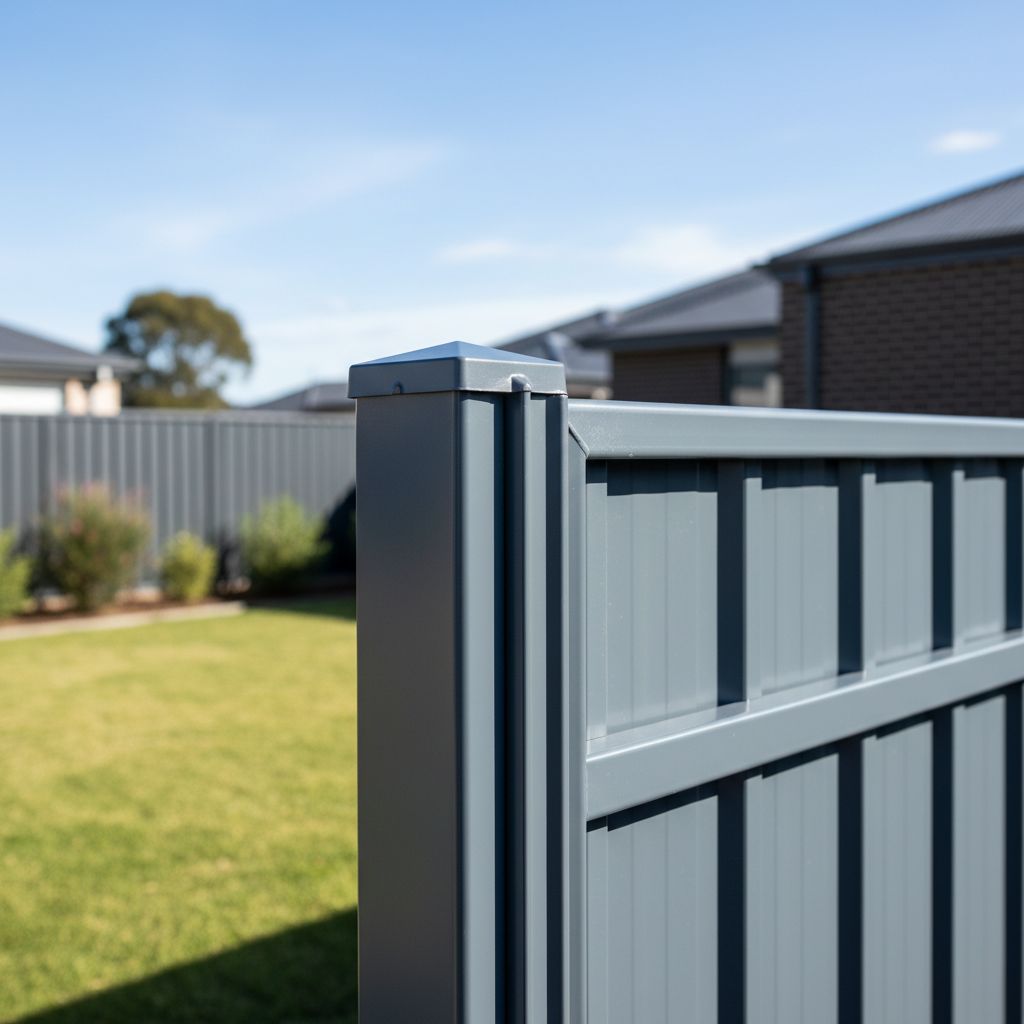
Compare access assumptions and the work sequence
Tell each contractor about narrow passages, stairs, limited storage space, occupied neighbouring yards and anything that restricts moving materials. A quote based on easy machine access should not be compared directly with one allowing for hand carrying through a long passage. Provide the same information to everyone and ask which access assumptions their proposal uses.
Sequence also matters. If landscaping, retaining work or paving must happen first, identify that dependency. Ask how long the boundary may be open during the planned work and what temporary arrangement is included, if any. Do not assume pets can remain in the yard or that an old gate will stay usable throughout. Confirm the proposed process without treating an indicative date as a guaranteed booking. A workable sequence is part of the value of an offer, especially when several trades need the same space.
Distinguish an inclusion from an allowance or an unknown
Create three categories on your comparison sheet: confirmed inclusions, stated allowances and unresolved items. A confirmed inclusion describes work in the offered total. An allowance identifies an amount or scope assumption that needs the contractor's explanation. An unresolved item has not yet been addressed. Do not turn silence into an exclusion or an inclusion by guessing.
Ask for answers in writing so they become part of the decision record. If a contractor uses a term you do not understand, ask what would cause the final scope or charge to change. Compare tax treatment, payment stages and the process for variations as stated in the actual offers. This guide does not supply contract or legal advice. Its practical purpose is to make differences visible before you choose, rather than discovering them when the old fence is already removed.
Keep a separate column for questions already answered verbally. A useful clarification request names the exact item, asks whether it is included in the offered total and requests the assumption used. For example, ask whether disposal includes the old posts and concrete rather than asking if everything is covered. Date each reply and identify the version of the quote it refers to. If an answer changes the proposed work, request an updated scope so you are not assembling the agreement from several inconsistent messages. This also helps a neighbour or another household decision-maker understand the same proposal without needing to reconstruct your phone calls.
A hypothetical comparison with no price assumptions
Imagine two written offers for a Pakenham rear boundary and side gate. Offer A lists new fencing, old-fence removal and a gate, but says nothing about existing concrete footings. Offer B explicitly includes footing removal where the new posts need to go, describes the gate hardware and identifies a section requiring a stepped layout. This is a hypothetical example, not a pair of real local quotes.
The correct next step is not to declare Offer B more expensive or Offer A better value. Ask Offer A about the footing treatment, gate specification and slope detail, then ask both contractors about any remaining access or ground assumptions. Once the answers are written down, the homeowner can compare matching scopes. A clarified offer may still differ in total or approach, but the difference is now attached to identifiable work rather than vague confidence or a short sales description.
Use the same scope to make the decision and check the result
Before accepting an offer, read it alongside the final sketch and the written clarifications. Check that the chosen material, finish and options are consistent throughout. Remove superseded assumptions from your comparison record so an earlier email does not get mistaken for the final arrangement. Keep any property, boundary or neighbour matters that remain unresolved visible rather than treating acceptance of a quote as proof that they are settled.
At handover, use the agreed scope as a checklist. Confirm the runs completed, gate operation, removal and reinstatement, plus any product information or care instructions promised. Record approved variations and outstanding items clearly. For a new enquiry, send the same boundary sketch, photos and requirement list to each contractor. The result is not a perfect prediction of every hidden condition, but a much fairer comparison and a clearer basis for discussing the completed work.
Common questions
Should I choose the lowest price per metre?
Only compare that figure after checking that the scope matches. Removal, gates, slope details, access and ground assumptions can change what a metre rate actually includes.
Does an omitted item mean it is excluded?
Not reliably. Treat it as unresolved and ask for written clarification. Do not assume either inclusion or exclusion from silence.
Can a quote be useful before a site visit?
Yes, as an initial proposal if its assumptions are clear. Label homeowner measurements as approximate and ask which details require site confirmation before the work or fabrication proceeds.